Obagi vs ZO Skin Health: vitamin C and moisturizers compared
The useful Obagi-versus-ZO decision changes by product. Professional-C 15% is a liquid serum used before moisturizer; ZO 10% Vitamin C Self-Activating uses a water-free silicone base and goes later in the routine. For moisture, Obagi Hydrate has a lower checkout price, while the larger ZO Hydrating Crème tube costs less per ounce.
Choose by the step you need
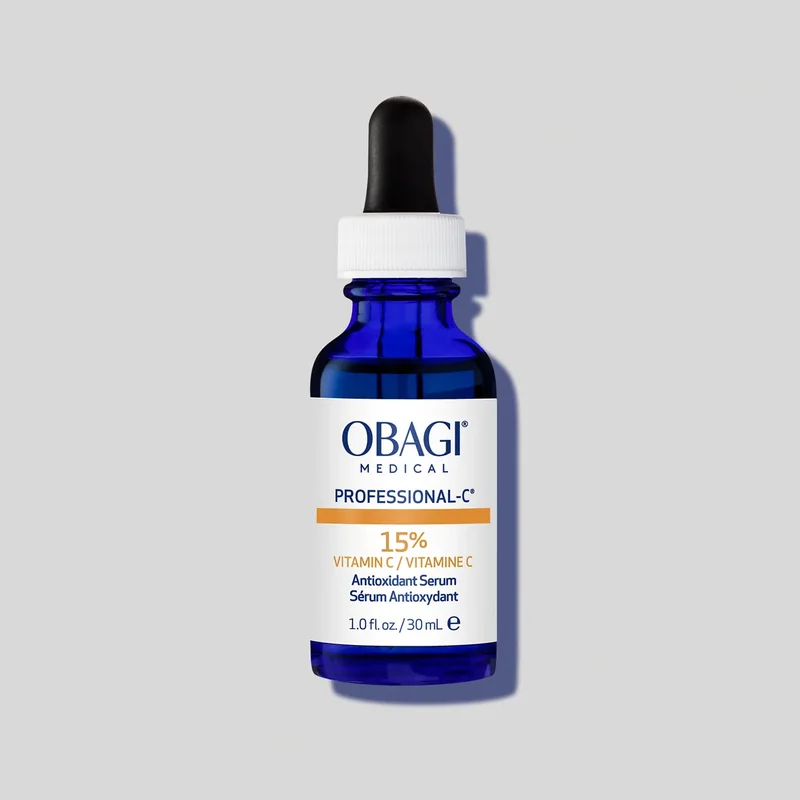
Choose Obagi Professional-C 15% if you want a 15% liquid vitamin C serum. Choose ZO 10% Vitamin C if you prefer a silicone-based formula at 10%. For daily moisture, Hydrate combines botanical emollients in a 1.7 oz package; ZO Hydrating Crème offers petrolatum, glycerin and colloidal oatmeal in a 4 oz tube. Both moisturizer ingredient lists omit fragrance/parfum.
US prices and where to buy
USD prices checked October 24, 2026, before tax and shipping. Unit price = listed price ÷ package ounces. For sizes listed in ml, 1 US fl oz = 29.5735 ml. Weight ounces (oz) and fluid ounces (fl oz) measure different quantities.
A 15% L-ascorbic acid liquid serum applied before moisturizer, with a published opening-to-use window of 3–6 months.
Consider: Higher vitamin C concentration and smaller bottle than ZO 10%; denatured alcohol, fragrance and citrus extracts are listed.
Use: Use 5–7 drops in the morning after cleansing and toning, before moisturizer. Follow with sunscreen. Obagi recommends using within 3–6 months of opening and storing at or below 77°F, away from direct sunlight.
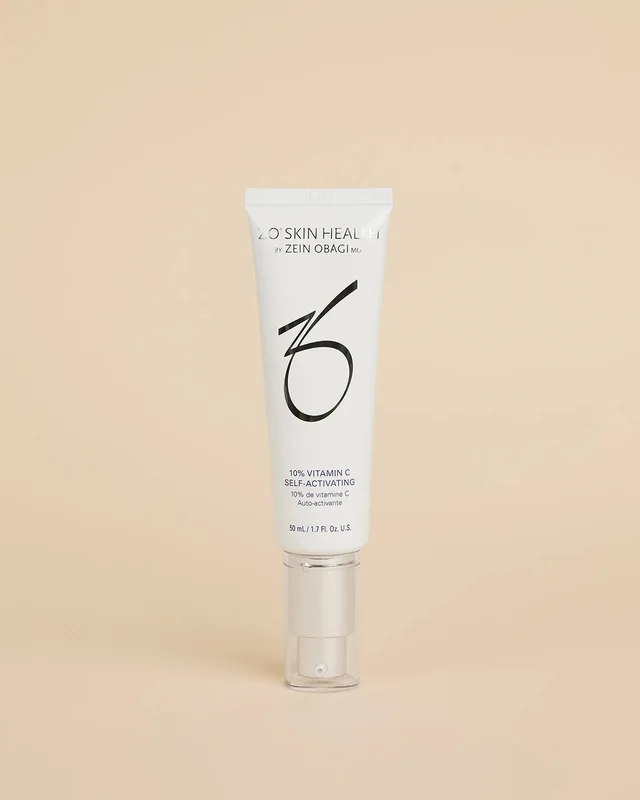
A 10% vitamin C formula with a water-free silicone base, squalane, a second vitamin C form, vitamin E acetate and ubiquinone.
Consider: Includes bitter orange peel oil, limonene and citral. Its cream-like silicone base and later application step differ from an early-layer liquid serum.
Use: Apply to clean, dry skin once daily in the morning or evening, as the last skincare step before sunscreen or makeup.
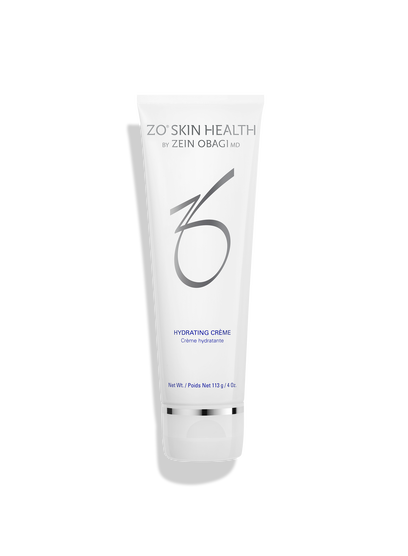
A glycerin- and petrolatum-based moisturizer with colloidal oatmeal and shea butter, sold here in a larger 4 oz tube.
Consider: Higher checkout price than Hydrate, but the larger tube costs less per weight ounce. Includes retinyl palmitate and benzyl alcohol; no fragrance/parfum is listed.
Use: Apply to face and neck at the end of the morning and evening skincare routine; apply sunscreen afterward in the morning.
Choose the two options you are weighing. Read the ingredients below or compare how the products fit your routine here.
3 of 3 details shown
Obagi Professional-C Serum 15%ZO Skin Health 10% Vitamin C Self-Activating
How the brand directs use
Use 5–7 drops in the morning after cleansing and toning, before moisturizer. Follow with sunscreen. Obagi recommends using within 3–6 months of opening and storing at or below 77°F, away from direct sunlight.
Apply to clean, dry skin once daily in the morning or evening, as the last skincare step before sunscreen or makeup.
Why consider it
A 15% L-ascorbic acid liquid serum applied before moisturizer, with a published opening-to-use window of 3–6 months.
A 10% vitamin C formula with a water-free silicone base, squalane, a second vitamin C form, vitamin E acetate and ubiquinone.
Trade-off to consider
Higher vitamin C concentration and smaller bottle than ZO 10%; denatured alcohol, fragrance and citrus extracts are listed.
Includes bitter orange peel oil, limonene and citral. Its cream-like silicone base and later application step differ from an early-layer liquid serum.
Obagi states 15% L-ascorbic acid, with propylene glycol, water and denatured alcohol near the start of its formula. ZO states 10%, with cyclopentasiloxane and dimethicone crosspolymer at the start and no water listed. ZO also includes tetrahexyldecyl ascorbate, tocopheryl acetate and ubiquinone.
At the checked prices, Obagi costs $130 for 1 fl oz; ZO costs $112 for 50 ml. ZO therefore has both a lower checkout price and more volume. The price table converts its 50 ml to US fluid ounces for the unit-price calculation.
Obagi goes after cleansing and toning, before moisturizer.
Skin Clique directs ZO once daily as the final skincare step before sunscreen or makeup.
Neither is the obvious choice for avoiding scented ingredients: Obagi lists fragrance and citrus extracts; ZO lists bitter orange peel oil, limonene and citral.
Moisturizers: checkout price versus tube value
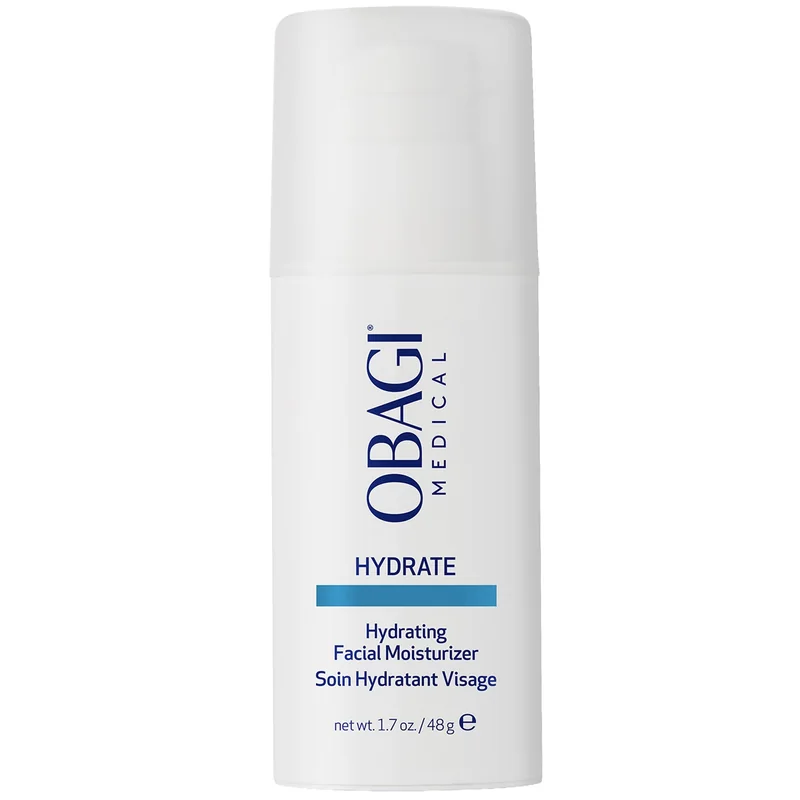
Obagi Hydrate costs $70 for 1.7 oz, or $41.18 per weight ounce. ZO Hydrating Crème costs $125 for 4 oz, or $31.25 per weight ounce. The ZO tube costs $55 more upfront but has over twice the product by weight.
Hydrate leans on shea butter, mango butter, avocado oil and its Tara-seed moisture system. ZO combines glycerin and petrolatum with colloidal oatmeal, shea butter and peptides. These are useful formula differences for choosing a daily cream; both lists are displayed in full in the Ingredients section.
Lower initial spend and smaller package: Obagi Hydrate.
Larger tube and lower cost per weight ounce: ZO Hydrating Crème.
Avoiding listed fragrance/parfum: both moisturizers qualify on the displayed lists.
How to choose without buying a whole regimen
Start with the missing step. If you already like your moisturizer, choose between the vitamin C bases and strengths without replacing it. If your serum is working well, compare the two moisturizers on ingredients, package size and budget.
The Obagi serum-and-moisturizer pair totals $200 at the listed prices. The ZO pair totals $237, with considerably more product in both packages. This is a purchase comparison; it does not establish how long either pair will last.
Where to buy these exact US versions
The table links Obagi Professional-C to its public US store and Hydrate to Dermstore. ZO vitamin C links to US provider retailer Skin Clique; Hydrating Crème links to ZO’s US site. ZO’s page also provides a professional finder for product guidance.
This page compares four individual, nonprescription vitamin C and moisture products. Obagi Nu-Derm Rx and prescribed treatment programs are separate purchasing decisions.